Skip to Content

Arnold School of Public Health

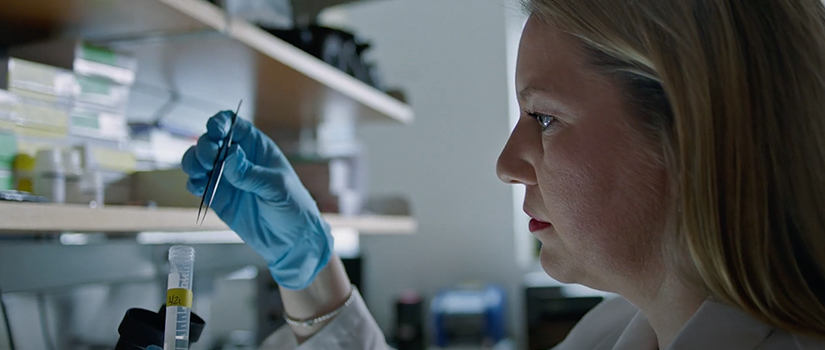
  • Dr. Melissa Nolan examining a test tube in a lab

Epidemiology

Welcome to the Division of Epidemiology in the Department of Epidemiology and Biostatistics at the University of South Carolina.

What happens to children with diabetes when there isn’t enough food in the household? How can older individuals prevent falls? How can mothers reduce their risk of diabetes in pregnancy? These are some questions that our faculty are seeking to answer.

Epidemiologists design and conduct investigations aimed at improving the health of groups of people by combining knowledge from the social sciences, medicine, biology, the environment, and statistics.  Epidemiologic studies provide evidence to inform recommendations for disease prevention, determine optimal treatments, and evaluate the effect of policies. The field is poised to rapidly grow in the future by harnessing developments in genetics, the microbiome, big data, and artificial intelligence to improve health. If you like biology, statistics, and computing, and want to make a difference to the health of large groups of people, epidemiology may be for you.

The Department of Epidemiology has 18 full-time faculty who are passionate about teaching and engaging with students. Students receive rigorous training to design and analyze epidemiologic studies and interpret and report their findings to scientific and public health communities through didactic and practical training. In addition to epidemiologic methods, the curriculum covers applied statistics, data management, and elective courses focused on substantive areas of epidemiology such as nutrition, cardiovascular disease, cancer, clinical trials, maternal and child health, infectious disease, environmental health, and social determinants of health.

Epidemiology is in high demand. Our graduates have taken up positions at top tier universities, the CDC, and the World Health Organization, academia, research, state and federal health departments, hospital systems, pharmaceutical industry, insurance companies, and non-profit organizations.

Degrees Offered

We offer eight advanced degrees in epidemiology and biostatistics. Each graduate degree has specific application deadlines and requirements.

Epidemiology News

mosquito test tube

West Nile virus more than ten times higher in South Carolina compared to national average

With little historical data on the prevalence of West Nile virus in the state of South Carolina, members of the Delores Marie Thomas Research Lab have assessed its presence in the Palmetto State.

Melissa Nolan

Lingering under the radar

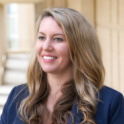
Melissa Nolan, associate professor of epidemiology and director of USC’s Institute for Infectious Disease Translational Research, and Arnold School alumnus Matthew Haldeman have found a rare intestinal parasite that could affect 1 in 20 South Carolinians. 

Angela Liese

Coping with chronic disease when food is scarce takes its toll on mental health, researchers find

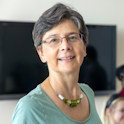
Twenty-five years into her CDC and NIH-funded diabetes and youth research, epidemiology professor Angela Liese and her team continue to increase our understanding of this uniquely vulnerable population.

MCH Catalyst

Maternal and Child Health Catalyst program launches two new development opportunities

With renewed support from the Health Resources and Services Administration and matching funds from the Dean's Office, the Arnold School's Maternal and Child Health (MCH) Catalyst program is expanding its capacity-building opportunities even further.

Christina Bhola

International student completes second Arnold School degree to make an impact as an epidemiologist

After finding USC's environment to be a welcoming one, Bhola decided to stay at the Arnold School to pursue an M.S. in Epidemiology. She's made lifelong friends, learned valuable life skills, and broadened her community.

Ciara Matthews

Online program paves way for full-time lab technician to complete epidemiology degree

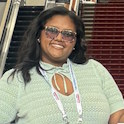
Returning to USC for graduate school was an easy decision for Ciara Matthews. As her alma mater, the state's flagship university held a special place for Matthews, but the biggest factor was the program's flexibility.


More Arnold School News


Challenge the conventional. Create the exceptional. No Limits.

©