Research at South Carolina
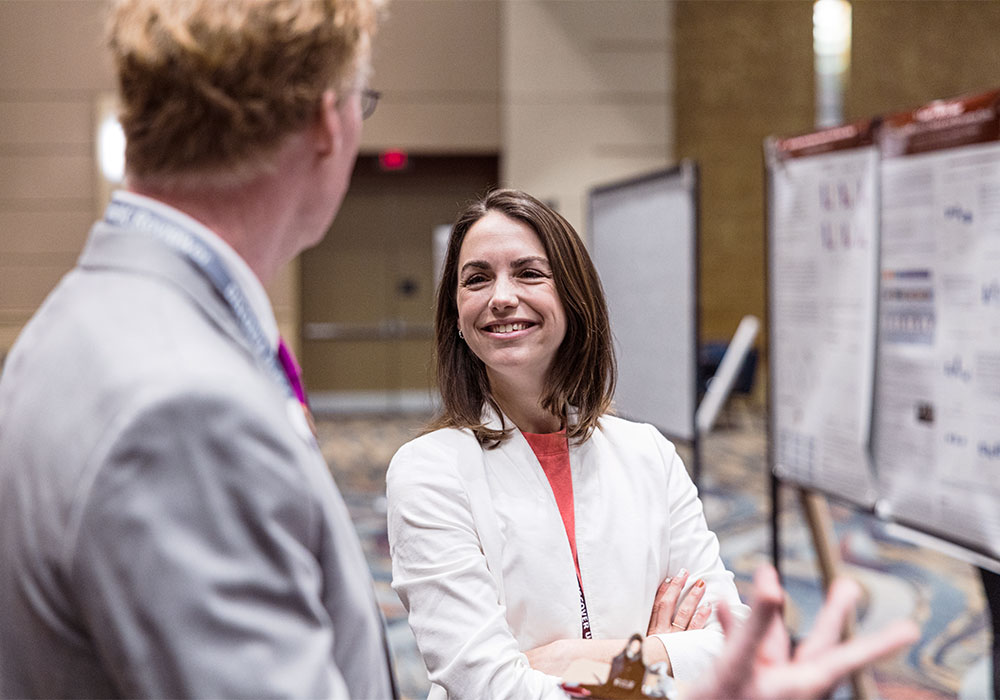
Research is a learning tool of the highest order at the University of South Carolina. Discovery allows us to illuminate history, contextualize the present, and help plan for what’s to come.
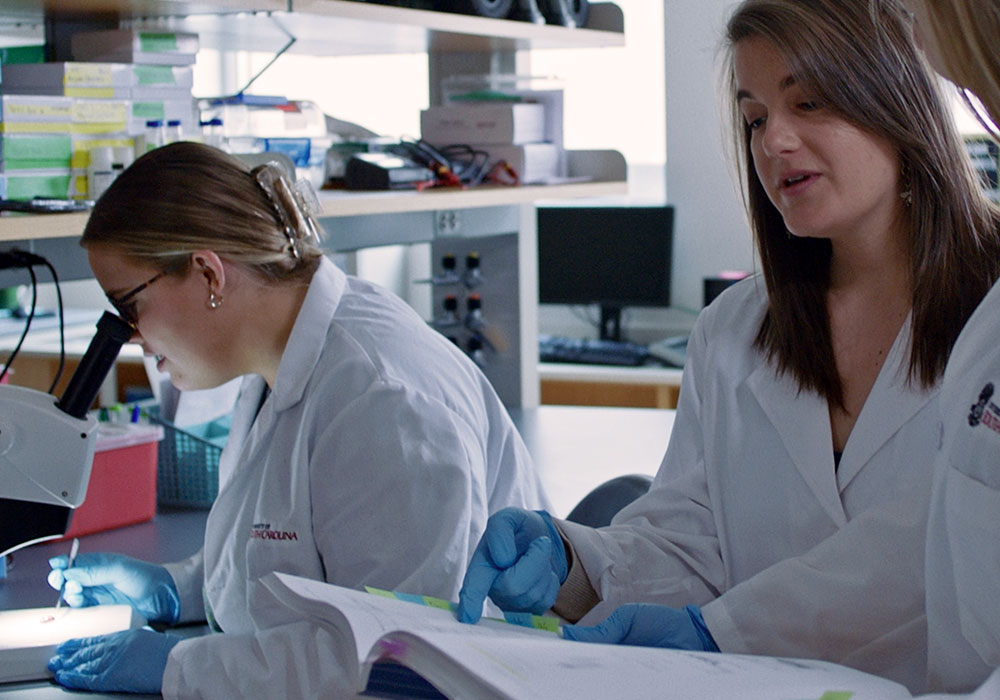
Scientific research, scholarship and creative activity abound throughout USC. That focused presence within nearly all colleges, departments and campuses of the state’s flagship university is one reason USC has earned the top research designation from the Carnegie Foundation.

-
Future focused.
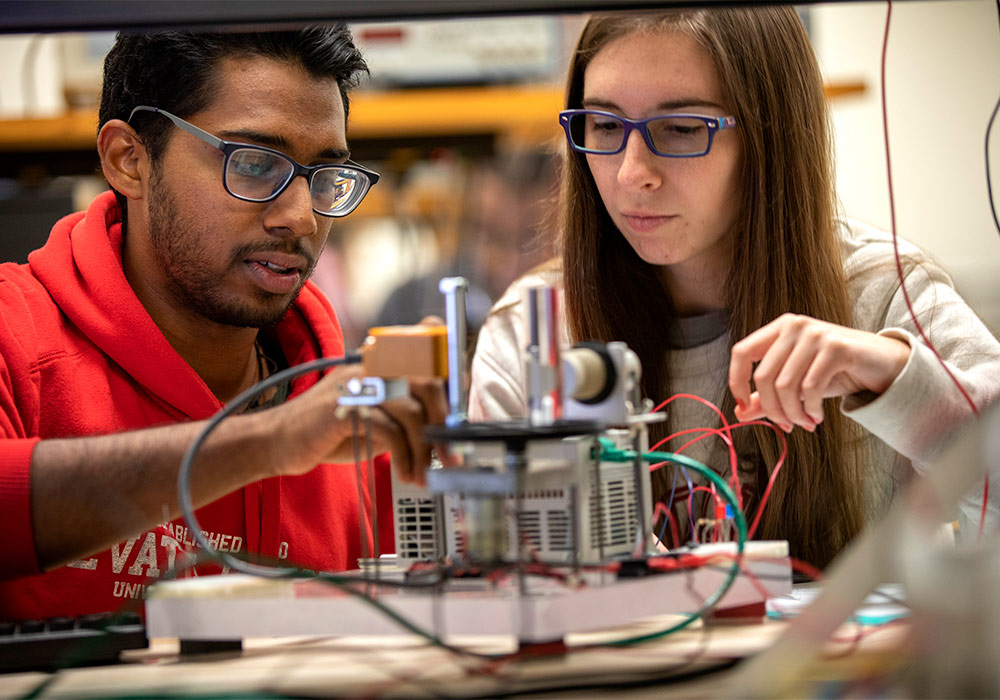
USC is home to interdisciplinary expert research teams that are exploring solutions to five scientific and societal challenges facing South Carolina. Their discoveries can have wider implications — benefitting any state grappling with these significant scientific and societal challenges.
Research Institutes -

-

-

-

-

Research Spotlights
-
University of South Carolina and Westinghouse partner to advance nuclear workforce development
Agreement will explore opportunities to build the nuclear workforce needed to support fleet deployment of AP1000® reactors in the U.S. through USC’s planned Nuclear Innovation Center.
-
USC Board of Trustees meet new deans, amend OpenAI contract
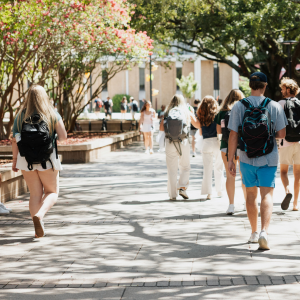
The University of South Carolina Board of Trustees met Thursday (Sept. 24), and trustees met two new deans and amended the campuswide Open AI contract.
-

USC astronomy professor probes deep space with telescope tuned to polarized light
For most people, the exciting part of peering through a telescope is what you see — the Moon’s craters, Saturn’s rings or distant star clusters. Thanks to a telescope that scans the sky with the eyes of a dragonfly, astronomy professor Mehrnoosh Tahani is excited about something less obvious: polarized light.
-
USC builds expertise in molten salt reactors, nuclear materials analysis for future energy needs
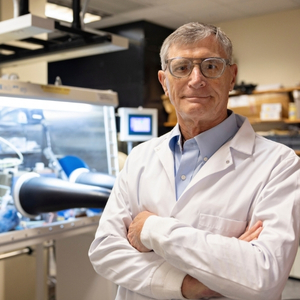
A one-of-a-kind database and specialized testing are making USC a destination for an emerging nuclear technology.
Let's build a better world.
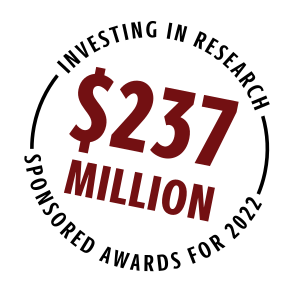
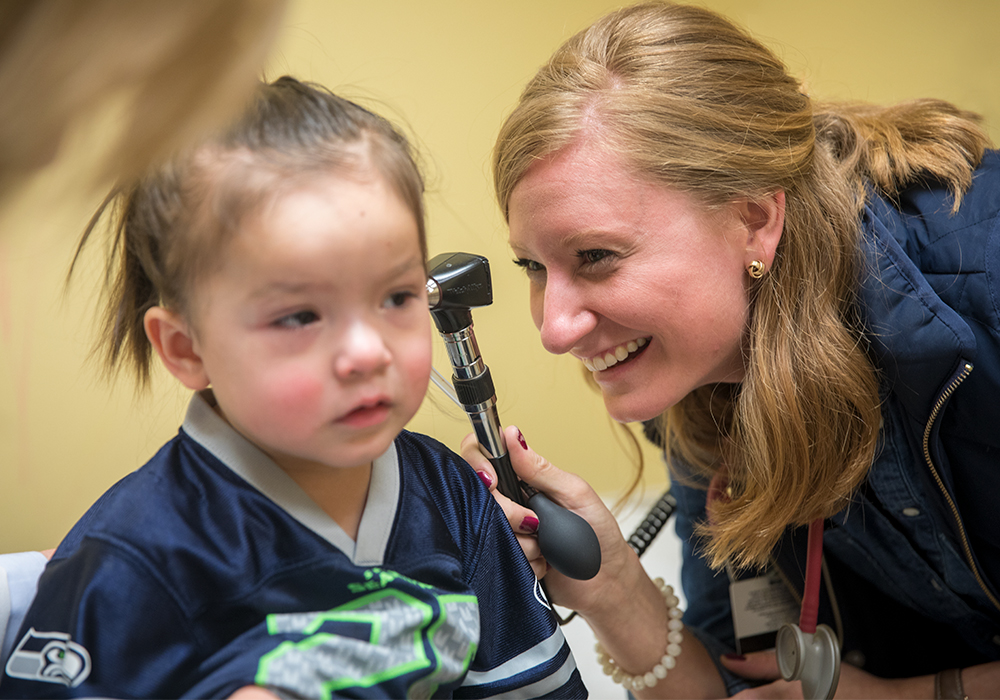
The resources of the University of South Carolina are poised to address local and global challenges. We work with public and private collaborators to provide our researchers with the resources and infrastructure they need to make a difference.
Partnership Opportunities