Skip to Content
University of South Carolina Home
Search University of South Carolina
University of South Carolina Navigation
Search sc.edu
Gateways For:
STUDENTS
FACULTY & STAFF
ALUMNI
PARENTS & FAMILIES
Calendar
Map
Directory
Apply
Give
Search sc.edu
Search
Study
Study at South Carolina
Majors and Degrees at South Carolina
Undergraduate Education
Graduate Education
Online Education
Colleges and Schools
Libraries and Collections
Continuing Education
Experience
Experience South Carolina
Living Here
Dining
Clubs and Organizations
Sports and Outdoors
Arts and Entertainment
Inclusive Excellence
University 101
My USC Experience
Academic Support
Career Prep
Study Abroad
Visit
Visit Campus
Individual Visits
Group Visits
Self-Guided Visits
Virtual Tour
Explore Columbia
Campus Map
Admissions
Admissions at South Carolina
Undergraduate Admissions
Graduate School Admissions
University Applications
Tuition and Aid
Research
Research at South Carolina
Research Opportunities
Breakthrough Research
Partnership Opportunities
About
About South Carolina
South Carolina at a Glance
Our Leadership
Offices and Divisions
Signature Events
Our History
Directory Search
Employment
News & Events
USC News & Events
Recent Stories
In the News
Inside Carolina
Carolinian
University Events
Athletics
Study
Study at South Carolina
Majors and Degrees at South Carolina
Undergraduate Education
Graduate Education
Online Education
Colleges and Schools
College of Arts and Sciences
Darla Moore School of Business
College of Education
College of Engineering and Computing
The Graduate School
College of Hospitality, Retail and Sport Management
Joseph F. Rice School of Law
College of Information and Communications
School of Medicine Columbia
School of Medicine Greenville
School of Music
College of Nursing
College of Pharmacy
Arnold School of Public Health
College of Social Work
South Carolina Honors College
Libraries and Collections
Thomas Cooper Library
Digital Collections
Educational Film Collection
Elliot White Springs Business Library
Karesh Law Library
Library Annex and Conservation Facility
Music Library
Moving Images Research Collections
Irvin Department of Rare Books and Special Collections
School of Medicine Library
South Carolina Political Collections
South Caroliniana Library
Continuing Education
Experience
Experience South Carolina
Living Here
Dining
Clubs and Organizations
Sports and Outdoors
Arts and Entertainment
Inclusive Excellence
University 101
My USC Experience
My USC Experience Engagements
Academic Support
Career Prep
Study Abroad
Visit
Visit Campus
Individual Visits
Tour Tips
Guest Accessibility Services
Group Visits
Self-Guided Visits
Virtual Tour
Explore Columbia
Campus Map
Admissions
Admissions at South Carolina
Undergraduate Admissions
Graduate School Admissions
University Applications
Tuition and Aid
Research
Research at South Carolina
Research Opportunities
Breakthrough Research
Breakthrough Research
Partnership Opportunities
About
About South Carolina
South Carolina at a Glance
Our Leadership
University President
Request for Remarks
Presidential Communications
A New Beginning
2022 Holiday Card Design Contest
Presidential Investiture
University Officials
Offices and Divisions
Signature Events
Carolina Welcome
State of the University
Prepared Remarks
Prepared Remarks
Family Weekend
Family Weekend Registration
Family Weekend Schedule
Football Game Information
USC Homecoming
Imagine Carolina
MLK Celebration
Awards Day
Awards Day Recipients
Commencement
Our History
Directory Search
Employment
Student Employment
News & Events
USC News & Events
Recent Stories
In the News
Inside Carolina
Subscription Confirmation
Carolinian
University Events
Athletics
Tools & Resources
Calendar
Map
Directory
Apply
Give
Student Gateway
Faculty & Staff Gateway
Parents & Families Gateway
Alumni Gateway
SC.edu
Page not found
404
Page not found
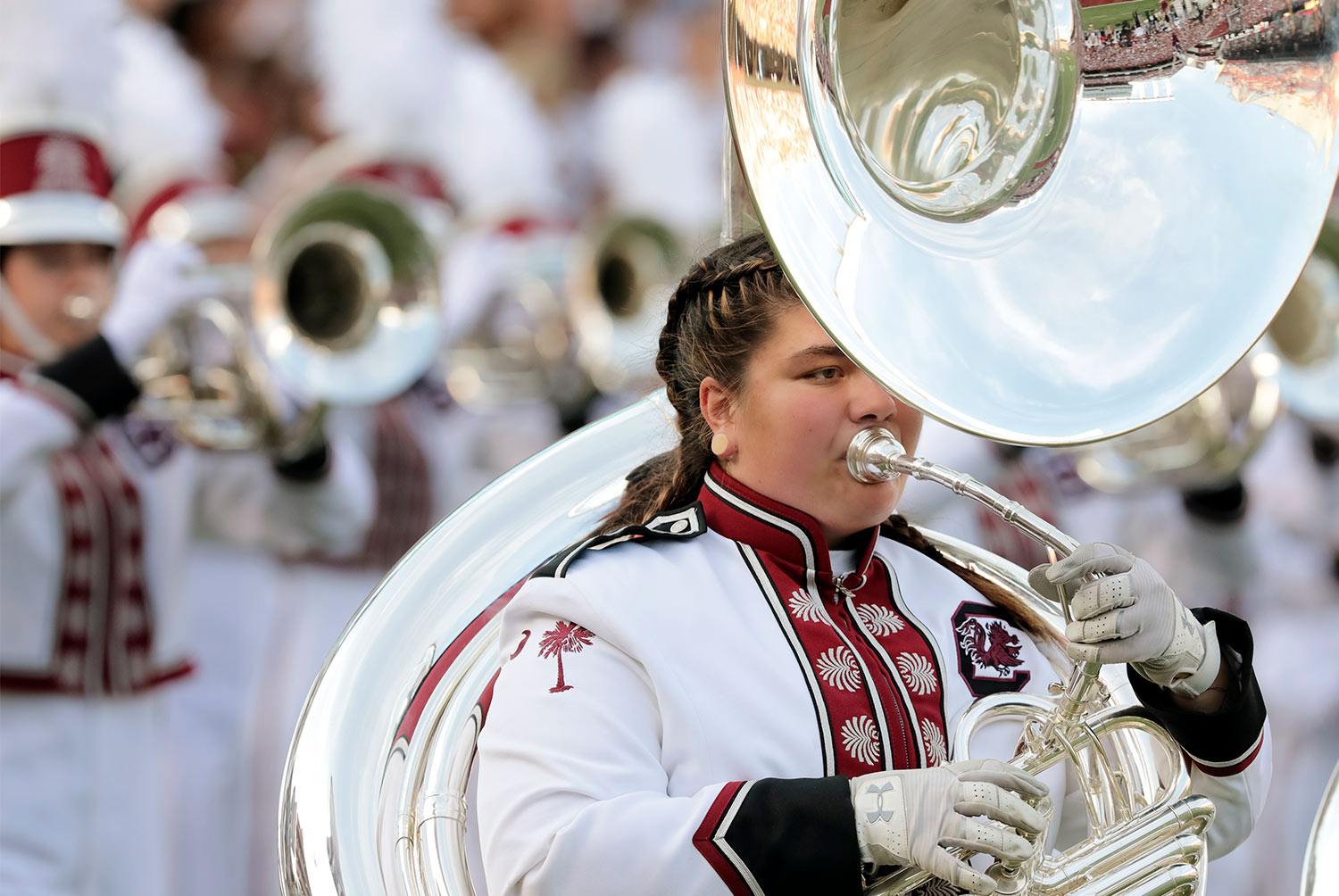
Whomp-Whomp
The page you are trying to reach is unavailable.
Search sc.edu
404
Page not found
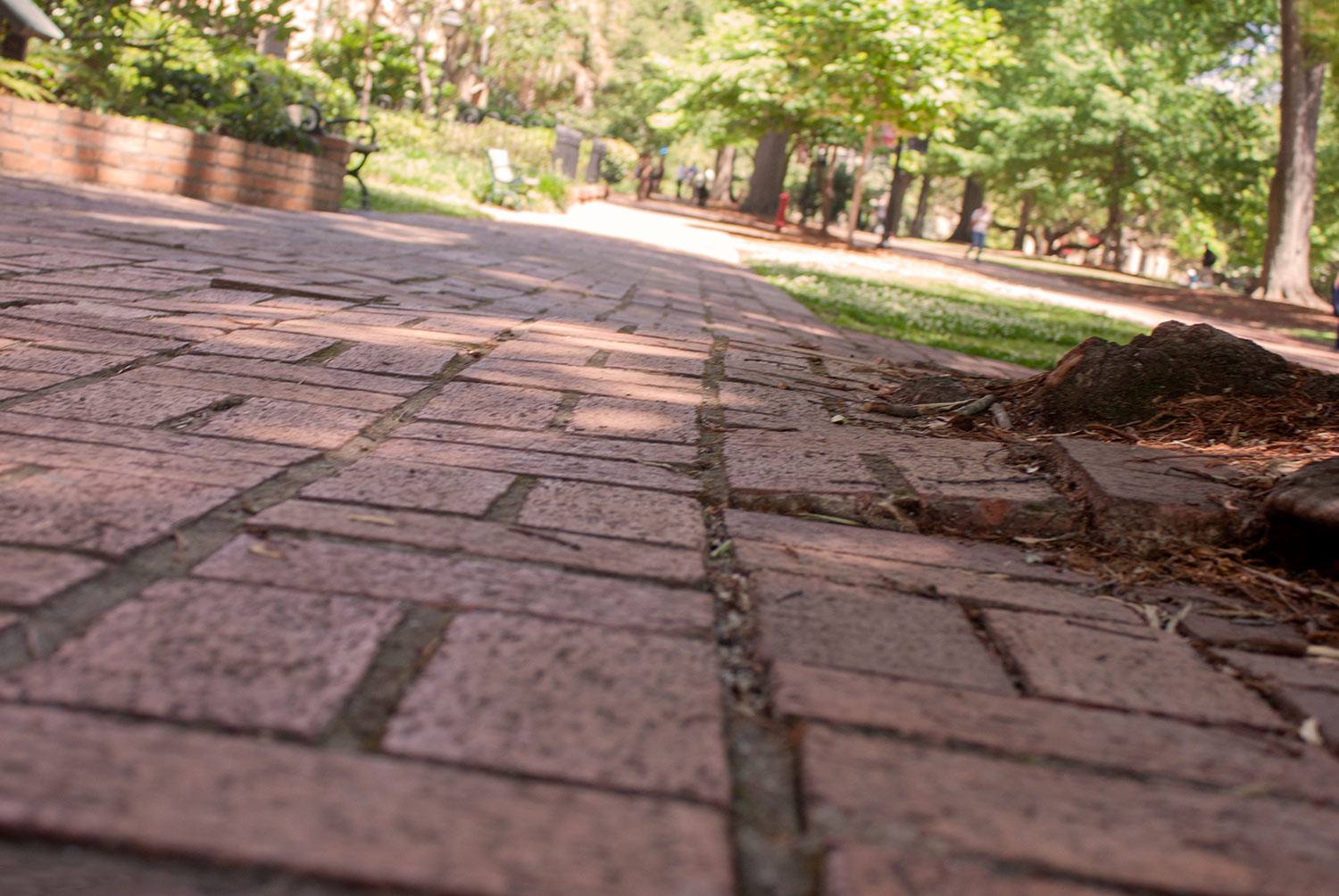
Tripped up?
Our apologies.
The page you are trying to reach is unavailable.
Search sc.edu
404
Page not found
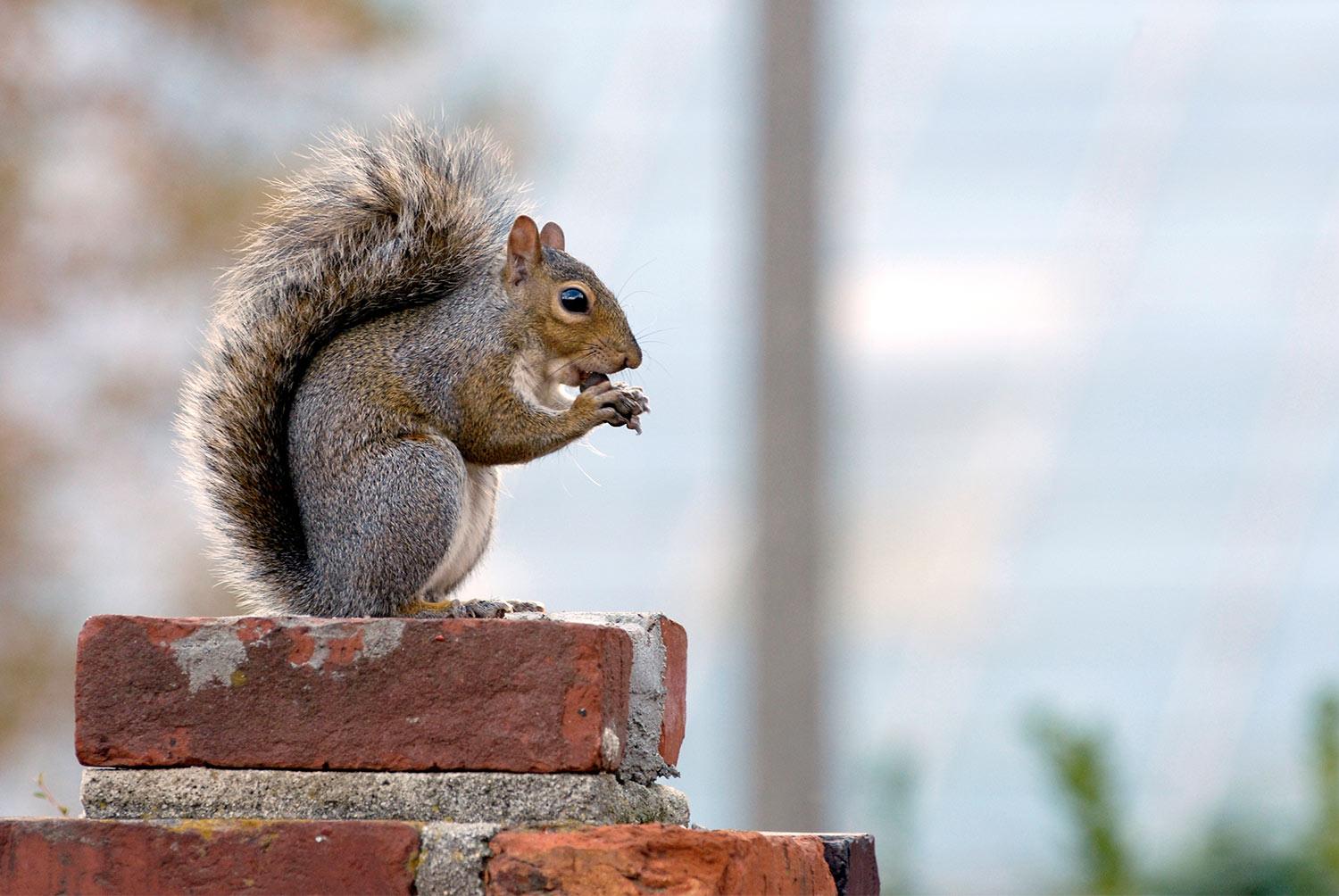
Aww, nuts!
The page you are trying to reach is unavailable.
Search sc.edu