Certified Anesthesiologist Assistants (CAAs) are highly trained, skilled professionals that work under the guidance of licensed anesthesiologists and alongside the entire anesthesia care team to coordinate care plans for their patients. They play a key role in preparing patients for anesthesia and supporting safe anesthesia delivery throughout surgical and medical procedures. Their responsibilities include obtaining and reviewing a patient’s complete medical history, performing physical examinations to identify factors that may affect the anesthesia care plan, and assisting with airway management and life support. CAAs calibrate and monitor anesthesia delivery systems, induce and adjust anesthesia levels as directed by the supervising physician, and continuously monitor patient vital signs using both invasive and noninvasive techniques. They may utilize specialized monitoring procedures such as electroencephalography, spectral analysis, echocardiography, evoked potential monitoring, and pulmonary artery catheterization. In addition, CAAs may administer diagnostic and laboratory tests, assist with patient care in intensive care units and pain clinics, and monitor patients during the postoperative recovery period. Beyond clinical care, they may also participate in administrative duties, research activities, and clinical instruction.
Prerequisite Requirements
Most CAA programs require or strongly recommend:
- General Chemistry – 2 semesters with labs
- General Biology – 2 semesters with labs
- Organic Chemistry – 1 semester with the lab
- A second semester of Organic Chemistry OR Biochemistry with laboratory
- General Physics with laboratory (Calculus-based physics is preferred)
- Two semesters of Advanced Mathematics, including Calculus
AP/IB/DE Credit: Acceptance of these credits will vary depending on the program’s requirements. Please check the program’s site for further information.
- If those credits are accepted, you may satisfy the requirements by taking a higher-level science course of the class you have credits in, unless stated otherwise.
- If those credits are not accepted, you will need to retake that specific course again.
Coursework varies by school. Always verify specific requirements on each program’s website.
Learn more about the Pre-Certified Anesthesiologist Assistant Pathway
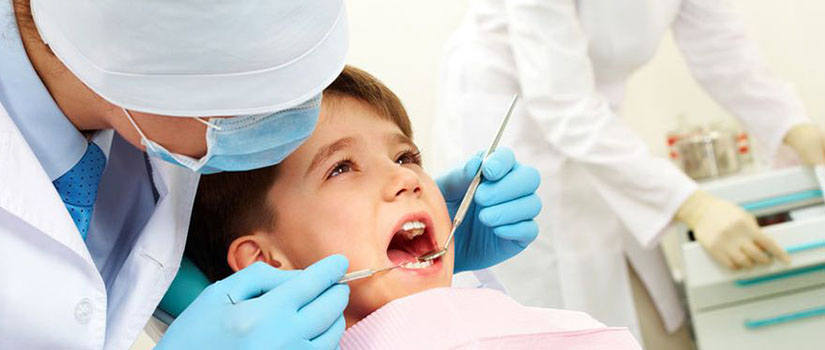
Dentists are licensed healthcare professionals who diagnose, treat, and help prevent conditions affecting the teeth, gums, and oral cavities of patients in a variety of different settings. Their general clinical responsibilities include performing comprehensive oral examinations, diagnosing dental and periodontal diseases, interpreting diagnostic imaging, developing individualized treatment plans, and providing preventive and restorative procedures including cleanings, fillings, crowns, bridges, root canals, and extractions. Some specialties may allow dentists to perform procedures and execute treatment plans that are outside of this general scope such as orthodontics, surgery, prosthodontics, etc. Dentists may supervise dental hygienists and assistants and may manage the administrative and operational aspects of a practice.
Prerequisite Requirements
Most dental schools require or strongly recommend:
- General Biology – 2 semesters with labs
- General Chemistry – 2 semesters with labs
- Organic Chemistry – 2 semesters with labs
- General Physics – 2 semesters with labs
- Biochemistry – 1 semester with the lab
- Advanced Human Anatomy – 1 semester with the lab
- Advanced Human Physiology – 1 semester with the lab
- Genetics – 1 semester with the lab
- English
- Math (algebra, statistics, calculus)
Coursework varies by school. Always verify specific requirements on each program’s website.
Genetic counselors provide a critical service to individuals and families considering undergoing genetic testing by helping them identify their risks for certain disorders, investigate family health history, interpret information and determine if testing is needed. The genetic counseling process helps people understand and adapt to the medical, psychological, and familial implications of genetic contributions to disease.
In addition to counseling, genetic counselors also communicate with laboratories about the tests they offer, advocating patients with their insurance companies, and notifying patients about their test results.
Prerequisite Requirements
Most genetic counseling programs require or strongly recommend:
- General Biology – Two semesters with labs
- General Chemistry – Two semesters with labs
- Organic Chemistry – Two semesters with labs
- Biochemistry – One semester (no lab required)
- Genetics – One semester (no lab required)
- Statistics – One semester
- General Psychology – One semester
- Abnormal Psychology (Recommended or Required)
AP/IB/DE Credit: Acceptance of these credits will vary depending on the program’s requirements. Please check the program’s site for further information.
- If those credits are accepted, you may satisfy the requirements by taking a higher-level science course of the class you have credits in, unless stated otherwise.
- If those credits are not accepted, you will need to retake that specific course again.
Coursework varies by school. Always verify specific requirements on each program’s website.
Physicians and surgeons are licensed medical professionals (MD or DO) who diagnose and treat injuries and illnesses while also providing preventive care and health maintenance counseling. They take comprehensive medical histories, perform physical examinations, and order and interpret diagnostic tests such as laboratory studies and imaging. Physicians develop, implement, and adjust treatment plans that may include medications, procedures, and lifestyle interventions, while coordinating appropriate follow-up care. They communicate clearly with patients and families about diagnoses, treatment options, and associated risks and benefits, supporting shared decision-making. Physicians collaborate with the interdisciplinary healthcare team, which could include nurses, pharmacists, therapists, and social workers. This ensures coordinated, patient-centered care and allows for referrals when specialized services are needed. They document care thoroughly and adhere to safety, quality, and ethical standards. Depending on their specialty and practice setting, physicians may perform procedures, manage hospitalized patients, respond to emergencies, and oversee chronic disease management. Many also contribute to teaching, research, quality improvement initiatives, administration, advocacy, and community health efforts.
Medical school is the graduate professional education that prepares students to become physicians. In the United States, medical schools award either the Doctor of Medicine (MD) or Doctor of Osteopathic Medicine (DO) degree. Both degrees lead to physician licensure and entry into residency training; DO programs additionally emphasize osteopathic principles and practice and may include training in osteopathic manipulative treatment (OMT).
Prerequisite Requirements
Most medical schools require or strongly recommend:
- General Biology – 2 semesters with the labs
- General chemistry – 2 semesters with the labs
- Organic chemistry – 2 semesters with the labs
- General Physics – 2 semesters with the labs
- Biochemistry – Certain courses will require Microbiology as a pre-requisite
- English/writing – Often 1-2 semesters
- Math Courses – Requirements may vary
Statistics – Commonly recommended
Calculus - Behavioral/Social sciences – Helpful for MCAT
General Psychology
General Sociology
Additional recommendations include:
- Genetics
- Cell Biology
- Physiology
- Microbiology
- Humanities/social sciences
- Ethics
Coursework varies by school. Always verify specific requirements on each program’s website.
Occupational therapists are licensed healthcare professionals who help individuals develop, recover, and maintain the skills needed for daily living and meaningful activities to the individual across various settings. Their clinical responsibilities include evaluating functional abilities, cognitive and sensory processing, and environmental factors; developing and implementing individualized intervention plans; providing therapeutic activities, adaptive techniques, and assistive devices; and monitoring progress toward participation goals. Occupational therapists also emphasize prevention and client education by promoting independence, safety, and effective strategies for daily tasks at home, school, work, and community settings. Additionally, OT practice often comes with a responsibility to collaborate with interdisciplinary teams and adhere to professional and ethical standards. Students pursuing OT can pursue either a Masters or Doctorate in Occupational Therapy.
Prerequisite Requirements
Most OT schools require or strongly recommend:
- General Biology – 2 semesters with labs
- Human Anatomy and Physiology – 2 semesters with labs
- Medical Terminology
- Human Lifespan Psychology
- Abnormal Psychology
- Sociology/Anthropology
- Statistics
- Psychology
- English
Coursework varies by school. Always verify specific requirements on each program’s website.
Optometrists are healthcare professionals who examine, diagnose, treat, and manage diseases, injuries, and disorders of the visual system, including the eyes and related structures. They evaluate patients’ vision, prescribe medications when appropriate, and help patients with corrective options such as eyeglasses and contact lenses. Optometrists also counsel patients on surgical and non-surgical treatment options, provide services such as vision therapy and low-vision rehabilitation, and may perform certain minor procedures. In addition, they can identify signs of systemic health conditions that affect the eyes, such as diabetes or high blood pressure. While optometrists provide comprehensive eye care and pre- and post-operative care for eye surgery, they differ from ophthalmologists, who are physicians trained to perform major eye surgeries and provide medical and surgical treatment for eye diseases.
Prerequisite Requirements
Most Optometry schools require or strongly recommend:
- General Biology – 2 semesters with labs
- General Chemistry – 2 semesters with labs
- Organic Chemistry – 2 semesters with labs
- General Physics – 2 semesters with labs
- Anatomy & Physiology – 2 semesters with labs
- Biochemistry
- Microbiology
- Calculus
- Statistics
- English
- Humanities & Social Sciences – 6 credit hours total
Sociology, economics, anthropology, history, political science, or psychology
Coursework varies by school. Always verify specific requirements on each program’s website.
Pharmacists are licensed healthcare professionals trained to safely store, handle, prepare, and dispense medications while ensuring appropriate medication use and patient safety. Their responsibilities include verifying dosages, preparing prescriptions, evaluating patient risk for potential adverse drug reactions, and maintaining accurate records and administrative documentation. Pharmacists also play an important educational role by counseling patients on how to properly use their medications, explaining possible side effects or interactions, and answering medication-related questions. In many settings, pharmacists additionally provide preventive healthcare services such as administering vaccinations. Through these responsibilities, pharmacists help support effective treatment outcomes and promote safe medication practices within the healthcare system.
Prerequisite Requirements
Most Pharmacy schools require or strongly recommend:
- General Biology – 2 semesters with the labs
- General chemistry – 2 semesters with the labs
- Organic chemistry – 2 semesters with the labs
- General Physics – 1 semester, lab not required
- Human Anatomy and Physiology – 2 semesters, labs not required
- Microbiology – 1 semester, lab may or may not be required
- Calculus
- Statistics
- English Composition/Writing -- 2 semesters
- Public Speaking
- Economics
- Social/Behavioral Science (psychology, sociology, anthropology)
Coursework varies by school. Always verify specific requirements on each program’s website.
Physical therapists are licensed healthcare professionals who evaluate, treat, and help prevent movement disorders and functional limitations in people across various settings. Their clinical responsibilities include performing movement and functional assessments, evaluating impairments, developing and implementing individualized treatment plans, and monitoring patient progress and outcomes. Physical therapists also emphasize prevention and patient education by promoting safe movement, injury prevention, and long-term self-management strategies. Additionally, PT practice often comes with a responsibility to collaborate with interdisciplinary teams and adhere to professional and ethical standards.
Prerequisite Requirements
Most PT schools require or strongly recommend:
- General Biology – 2 semesters with labs
- General Chemistry – 2 semesters with labs
- General Physics – 2 semesters with labs
- Human Anatomy and Physiology – 2 semesters with labs
- Medical Terminology
- Statistics
- Psychology
- English
Coursework varies by school. Always verify specific requirements on each program’s website.
Physician Assistants (PAs) are licensed clinicians who practice medicine within a collaborative, team-based healthcare model alongside physicians and other healthcare professionals. Their roles and responsibilities vary depending on specialty, clinical setting, and state law, but they are trained to provide comprehensive medical care across the lifespan.
PAs commonly take medical histories, perform physical examinations, and order, perform, and interpret diagnostic tests such as laboratory studies and imaging within their scope of practice. They diagnose illnesses and injuries, develop and manage treatment plans, perform procedures and therapeutic interventions appropriate to their clinical setting, and prescribe medications when permitted by state law and practice agreements. In surgical specialties, PAs may assist in surgery and provide perioperative care.
In addition to direct patient care, PAs educate and counsel patients and families about medical conditions, prevention strategies, and treatment adherence. They maintain accurate documentation of patient encounters, collaborate closely with physicians and interdisciplinary team members, and refer patients to specialists when necessary. PAs also engage in quality improvement initiatives and ongoing continuing education to maintain clinical competence and deliver safe, evidence-based care.
Prerequisite Requirements
Most PA schools require or strongly recommend:
- General Biology – 2 semesters with labs
- General Chemistry – 1-2 semesters with labs
- Organic Chemistry – 1 semester with the lab
- Human Anatomy and Physiology – 2 semesters with labs
- Statistics
- Medical Terminology
- Psychology
Additional recommendations include:
- Microbiology
- Genetics
AP/IB Credit: Many PA programs do not accept AP/IB credit for prerequisite sciences. If you used advanced credit, check each program’s policy and contact admissions for clarification.
Coursework varies by school. Always verify specific requirements on each program’s website.
Speech-language pathologists are licensed healthcare professionals who evaluate, diagnose, and treat speech, language, and swallowing disorders across the lifespan and in various settings. Their clinical responsibilities include assessing communication and swallowing function, developing and implementing individualized treatment plans, and using therapeutic techniques and specialized tools to improve speech, language, cognitive-communication, and feeding or swallowing abilities. Speech-language pathologists may also contribute to the advancement of the field by conducting research on human communication processes, developing new evaluation methods and treatment approaches, and investigating behavioral patterns associated with communication disorders. In addition, they may manage clinics or programs and apply their expertise in professional settings, such as helping organizations improve employee communication with clients or customers.
Prerequisite Requirements
Potential Pathways:
- Graduate with Communication Science and Disorders (CSD) related degree and apply to graduate programs
- Graduate with a non-CSD degree and take pre-requisite coursework to apply to graduate
Some programs may offer preliminary acceptance for applicants without CSD pre-requisites. These applicants are typically required to enroll 1-2 semesters early to register for and satisfy the pre-requisites. Official acceptance into the program is contingent upon a passing grade in the necessary pre-requisite courses. - Graduate with a non-CSD degree and apply to graduate programs that do have no prerequisite coursework
General Prerequisites:
- Biological Sciences
General bio, cellular bio, microbiology, physiology, etc. - Social Science
Anthropology, political science, ethnic/cultural studies, etc. - Behavioral Science
Psychology, psychobiology, criminology, etc. - Physical Science
Physics, chemistry - Statistics: Any stand-alone statistics course
CSD Prerequisites:
- Anatomy & Physiology of Speech and Hearing Mechanisms
- Introduction to Audiology
- Speech and Language Development
- Phonetics
- Speech and Hearing Science
- Introduction to Communication Disorders
Please visit USC’s Future COMD Students page to learn more about taking 500-700 level CSD level courses as an undergraduate student.
Coursework varies by school. Always verify specific requirements on each program’s website.
Veterinarians are licensed medical professionals who diagnose, treat, and prevent disease in animals across diverse settings. In clinical practice, veterinarians perform physical examinations, diagnose and treat illnesses, prescribe medications, conduct surgical procedures, interpret diagnostic tests (including lab work and imaging), and administer vaccines and other preventative care. The role also emphasizes preventative care and client education, including counseling animal owners on nutrition and behavior, long-term wellness, and disease-prevention strategies for their animal. Beyond individual animal care, veterinarians contribute to public health and regulatory efforts by monitoring zoonotic diseases, ensuring food safety in livestock production, and collaborating with state and federal agencies to support animal welfare.
Prerequisite Requirements
Most veterinary schools require or strongly recommend:
- General Biology – 2 semesters with labs
- General Chemistry – 2 semesters with labs
- Organic Chemistry – 2 semesters with labs
- General Physics – 2 semesters with labs
- Biochemistry – 1 semester
- Microbiology – required by some programs
Animal-Centered Courses:
- Animal Behavior and/or Nutrition (BIOL 465, BIOL 534)
- Additional relevant course: BIOL 351
Additional recommendations include:
- English Composition
- Statistics
- Genetics
- Physiology
Coursework varies by school. Always verify specific requirements on each program’s website.